
 512 595 5700
 Calculator
Posts Tagged ‘Air to Air’
Why Won’t AC Alone Be Enough for the Future of Industrial Cooling?
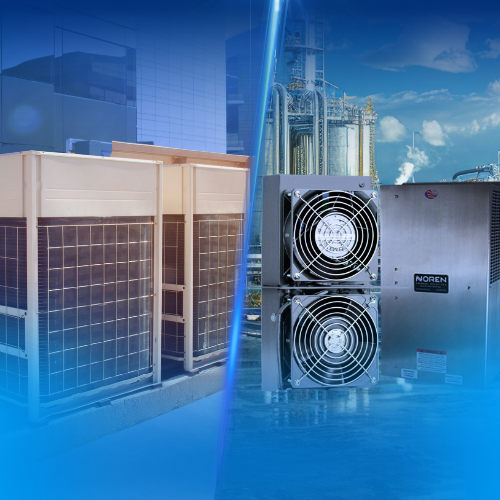
Energy prices, environmental regulations and maintenance costs are making AC an unsustainable choice for industrial cabinet cooling. Discover how Noren heat exchangers deliver sealed, refrigerant-free cooling with lower energy use and minimal upkeep.
Read MoreThe Future of Automation and Cooling Challenges
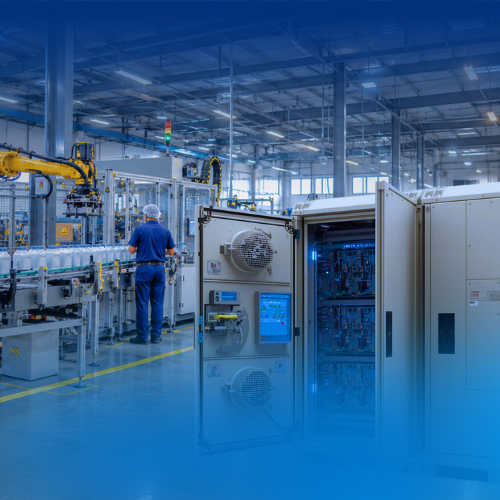
More powerful devices, smaller enclosures, and rising global temperatures are creating new automation cooling challenges. Discover how Noren’s sealed heat exchangers keep next-generation electronics running reliably.
Read MoreHow to Achieve Production Growth Without the Overheating Problem

Production growth shouldn’t be limited by overheating. Discover how Noren’s air-to-air and air-to-water heat exchangers help manage rising thermal loads, protect sensitive electrical components, and keep control cabinets operating reliably as production scales.
Read MoreWhy Overheating Causes Shutdowns and How Cooling Fixes It
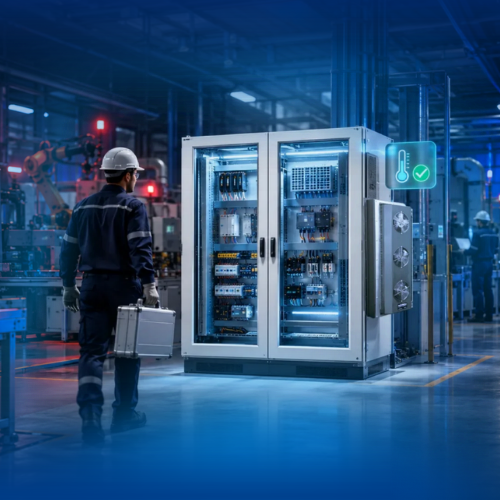
Thermal shutdowns are a warning that an electrical enclosure is running too hot. Discover how Noren’s air-to-air, air-to-water heat exchangers and custom heat sinks help control temperatures, protect components, and prevent costly downtime.
Read MoreCooling Solutions That Survive the Harshest Industrial Environments

Keep electrical enclosures protected in the toughest industrial environments. Discover how Noren’s NEMA Type 4 and Type 4X heat exchangers resist dust, moisture, corrosive chemicals, and extreme temperatures to deliver reliable, long-lasting cooling performance.
Read MoreEco-Cool Heat Exchangers Are the Smart Way to Save on Cooling

Noren Eco-Cool air-to-air heat exchanger unit designed for low-cost, maintenance-friendly cooling of electrical enclosures in industrial environments.
Read MoreThe Easy Alternative of Heat Exchangers for Cabinet Cooling

heat exchangers offer a simpler, smarter alternative to traditional cooling no compressors, no refrigerants, and virtually zero maintenance for your electrical enclosures.
Read MoreHeat Exchanger or Air Conditioner — Which Lasts Longer for Your Electrical Cabinet?
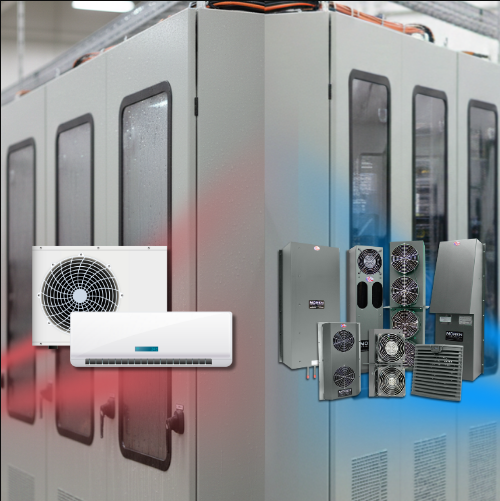
very electrical cabinet generates heat — and too much of it can destroy sensitive components, cause costly downtime, and even create safety hazards
Read MoreInternational Shipping for Heat Exchangers and Customized Solutions
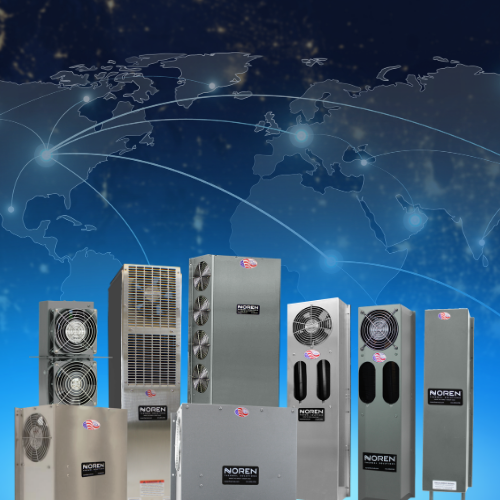
At Noren Thermal Solutions, we have perfected our engineering to comply with the strictest international regulations, allowing us to deliver cutting-edge technology to industries worldwide.
Read MoreThe Certifications a Reliable Heat Exchanger Must Have
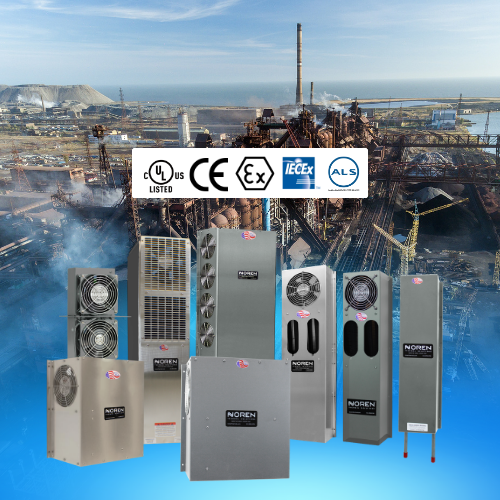
Installing a cooling system without proper validation threatens the safety of your personnel and the continuity of your operations
Read More